
Ground-Up Construction in Altadena: The Homeowner Checklist Before You Start
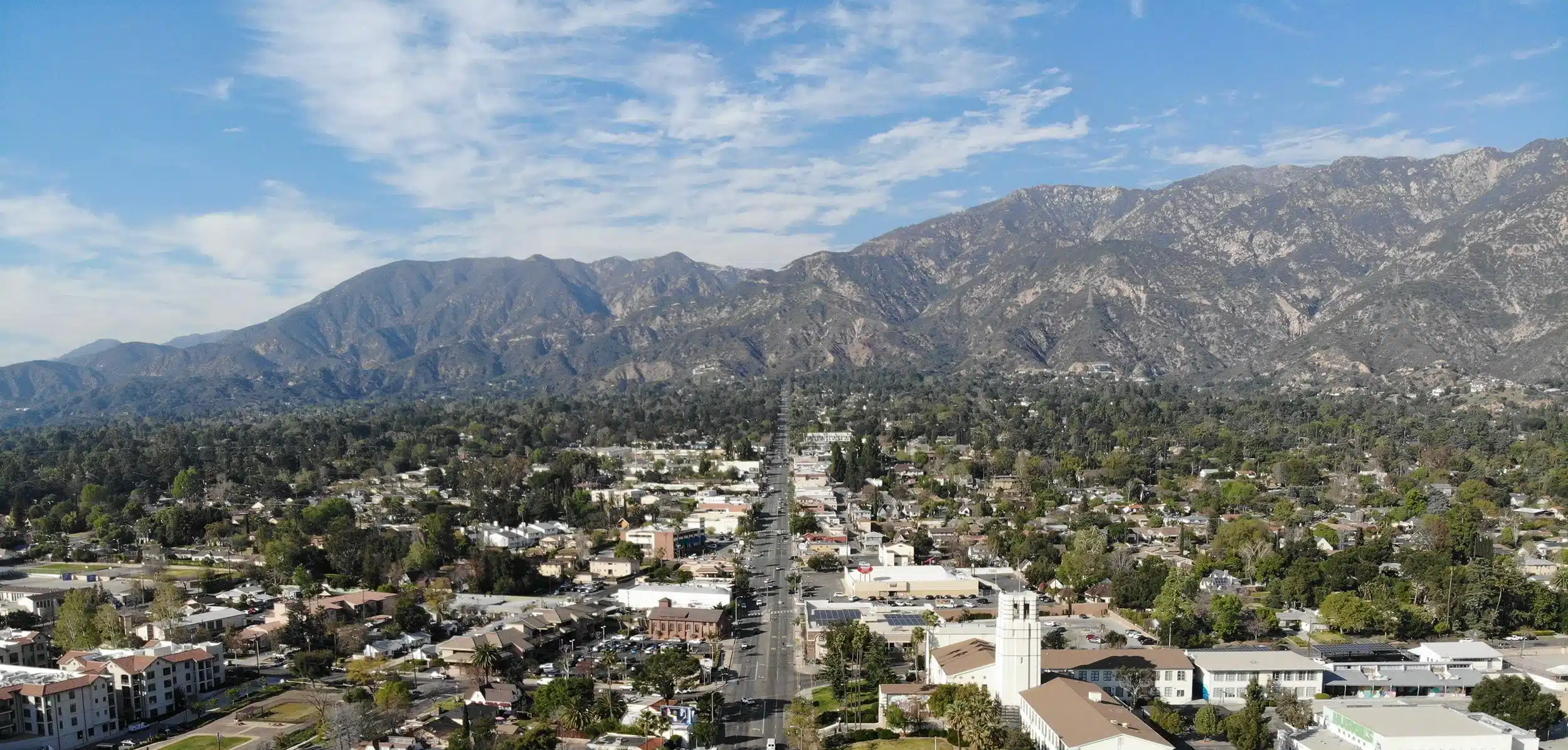
Ground-up construction in Altadena gives homeowners the freedom to build a home that fits their lifestyle, layout preferences, and long-term plans. However, that freedom also comes with responsibility. Permits, site conditions, engineering, and inspections all begin influencing the project long before construction starts. Because of this, homeowners who prepare early experience far fewer surprises later.
At Green Works Construction, a family owned and operated design-build company, we guide homeowners through ground-up construction across Altadena and Los Angeles County. From feasibility to final inspection, we focus on clarity and coordination. In addition, we offer free estimates and financing options so homeowners can plan responsibly before committing. As a result, projects start with confidence instead of uncertainty.
Why a Checklist Matters Before Ground-Up Construction
Many homeowners approach new construction with excitement but without structure. Unfortunately, excitement alone does not protect budgets or timelines. Ground-up construction requires dozens of decisions, many of which affect permits and engineering. Therefore, a clear checklist helps homeowners focus on the right questions at the right time.
A proper checklist also shifts decisions forward. Instead of reacting to problems during plan check or construction, homeowners address constraints early. Because of this, the process becomes controlled rather than reactive.
Checklist Item 1: Confirm Lot Feasibility First
Before any design work begins, homeowners must confirm whether the lot can support the desired home. Too often, people invest in drawings before understanding zoning limits, grading requirements, or access constraints. As a result, redesign becomes necessary after permits are submitted.
Feasibility answers foundational questions about what is possible. Therefore, it should always come before architecture.
Confirm feasibility by reviewing:
- Setbacks, height limits, and lot coverage
- Flat versus sloped conditions
- Fire severity zone requirements
- Utility locations and service capacity
- Construction access and staging space
Checklist Item 2: Understand Altadena’s Permit Authority
Altadena is unincorporated, which means all ground-up construction permits go through Los Angeles County Building and Safety. This single detail affects the entire project. County review typically involves more documentation and longer plan-check cycles than nearby cities.
Because multiple County departments review the same submission, coordination matters. Therefore, homeowners benefit when design, engineering, and construction planning align before permits are submitted.
Checklist Item 3: Prepare the Full Permit Submittal Package
LA County does not assemble missing information for you. Review begins only after a complete and coordinated permit package is submitted. Incomplete submittals cause delays before plan check even starts.
A typical ground-up construction permit package includes:
- Architectural plans
- Structural calculations prepared by a licensed engineer
- Title 24 energy compliance documents
- Site and utility plans
- Grading and drainage plans, if applicable
- Soils report for hillside or foothill lots
Because these documents interact, coordination matters more than speed.
Checklist Item 4: Account for Hillside and Fire Constraints
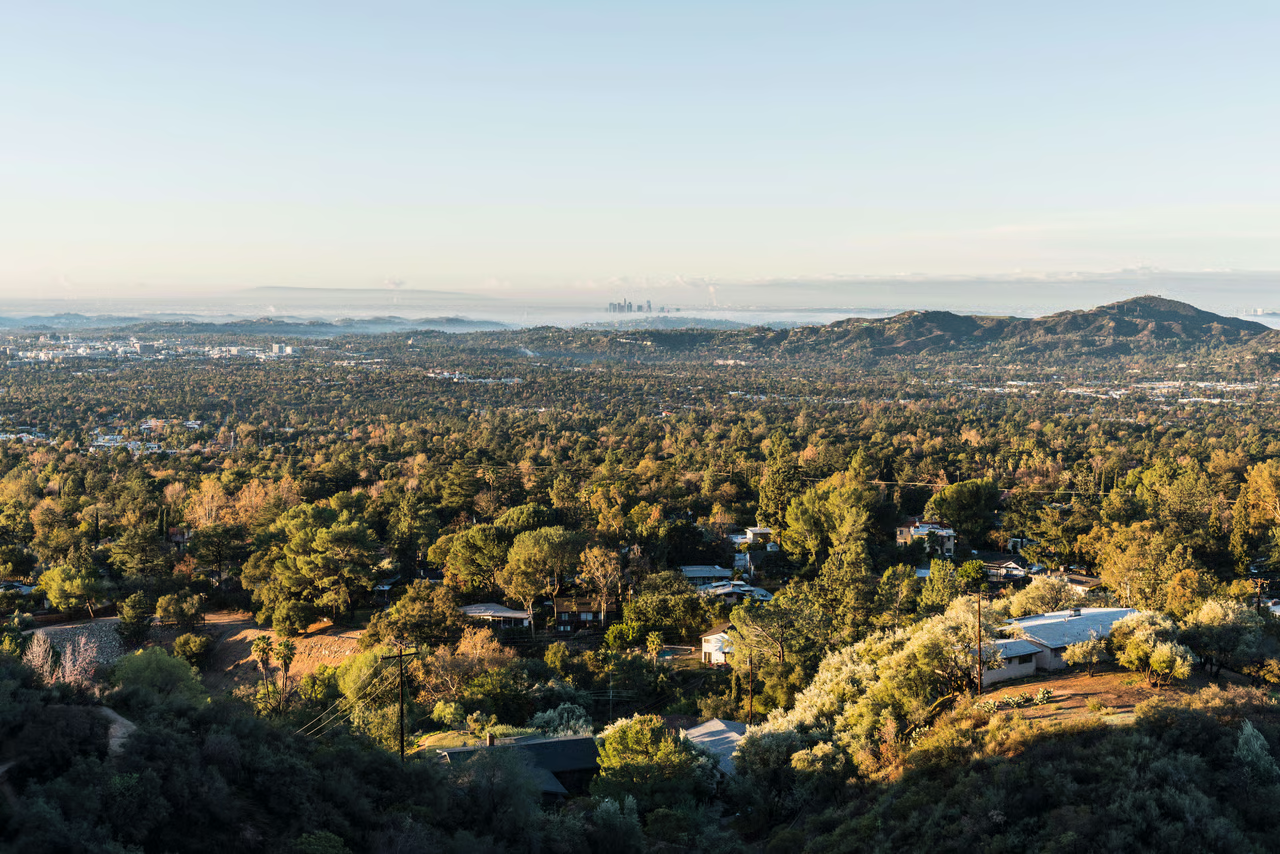
Many Altadena properties sit near foothills or on sloped terrain. As a result, hillside engineering often becomes a major factor in ground-up construction. Grading, drainage, and retaining walls must be addressed early to satisfy County review requirements.
Fire safety also plays a significant role. In higher fire severity zones, defensible space requirements and fire-resistant construction standards apply. Meanwhile, these requirements affect materials, layout, and even site planning.
Altadena-specific constraints often include:
- Grading and drainage engineering
- Retaining wall calculations
- Defensible space planning
- Fire-resistant exterior assemblies
Checklist Item 5: Plan for Access and Construction Logistics
Ground-up construction does not happen in a vacuum. Narrow driveways, limited street parking, and tight lots affect how construction unfolds. Therefore, logistics planning should happen during design, not after permits are approved.
Access constraints influence delivery schedules, inspection timing, and sequencing. When these factors are ignored early, delays become inevitable later.
Checklist Item 6: Understand the Construction Timeline
Homeowners often ask how long ground-up construction will take. While timelines vary, the sequence remains consistent when managed properly. However, delays usually come from redesign, permit revisions, or late selections rather than construction itself.
Most ground-up projects move through:
- Feasibility and pre-design
- Design and engineering
- Permitting and plan check
- Construction and inspections
- Final approval and occupancy
Therefore, homeowners who make decisions early and work with an experienced team move faster overall.
Checklist Item 7: Prepare Financially and Strategically
Ground-up construction requires financial planning beyond the initial build cost. Permits, engineering, and site work all contribute to the total investment. Because of this, clarity early prevents stress later.
At Green Works Construction, we provide free estimates and offer financing options to help homeowners plan responsibly. In addition, our design-build approach aligns scope and budget early, reducing the risk of unexpected increases.
Checklist Item 8: Choose the Right Construction Partner
The team you choose will shape your entire experience. Ground-up construction works best when one team controls design, permits, and construction. Otherwise, homeowners end up coordinating consultants and absorbing risk.
Green Works Construction is a family owned and operated company that manages the entire process from feasibility through final inspection. Therefore, homeowners gain a single point of accountability and a clear path forward.
Final Checklist Reminder Before You Start
Ground-up construction in Altadena rewards preparation. When homeowners confirm feasibility, understand County requirements, and plan early, the process becomes manageable and predictable.
Before you begin, make sure you:
- Understand what your lot can support
- Confirm County permit requirements
- Account for hillside, fire, and access constraints
- Plan decisions and selections early
- Work with an experienced design-build team
Contact Green Works Construction today for a free estimate and to learn about financing options. We are ready to help you start your ground-up construction project with clarity and confidence.
Frequently Asked Questions
Why should I go with a design & build company over a General Contractor?
A design & build company gives you one team responsible for design, permits, and construction, instead of splitting responsibility between an architect and a general contractor. This matters most during new construction, where early decisions directly affect cost, timelines, and approvals.
With a traditional setup, architects design first, contractors price later, and homeowners absorb the risk when the numbers or feasibility do not align. In contrast, design-build evaluates budget, constructability, and permitting requirements at the same time as design. That alignment reduces redesigns, plan-check delays, and change orders.
In short:
- One contract instead of multiple agreements
- One schedule owner instead of competing timelines
- One budget authority instead of finger-pointing
What are the first steps I need to get started?
The first step is not drawing plans. The first step is feasibility. You need to understand what your lot can realistically support before spending money on design.
Early steps should include:
- Site review (lot size, slope, access, utilities)
- Zoning and setback confirmation
- Hillside, grading, or fire-zone constraints
- Rough scope and size planning
A design-build feasibility call helps you answer the most important question early: Is this project viable within my goals and budget?
I’ve already received an insurance settlement for rebuilding. What should I do next?
If you plan to use insurance proceeds toward rebuilding, the most important step is to separate insurance paperwork from construction planning. Insurance settlements are often based on repair scopes, not full code-compliant new construction.
Recommended next steps:
- Review the settlement scope and exclusions
- Determine whether the project is a repair, rebuild, or full new construction
- Confirm current code and permit requirements with LA County
- Develop a construction scope that aligns with today’s regulations
A design-build team can help translate insurance funds into a realistic rebuild plan, identify gaps, and avoid under-scoping the project.
How long does the entire process take, and what happens at each stage?
Timelines vary by lot conditions and complexity, but most ground-up projects follow the same major phases.
- Feasibility & Pre-Design: Site review, zoning confirmation, early budget alignment
- Design & Engineering: Architectural plans, structural calculations, energy compliance
- Permitting & Plan Check: LA County review, comments, revisions, approvals
- Construction: Site work, foundation, framing, systems, finishes
- Final Inspections & Close-Out: Punch list, approvals, occupancy
Design-build shortens timelines by reducing redesign and plan-check back-and-forth. The biggest delays usually come from incomplete documents or unrealistic early assumptions.
What is the permit process, and what needs to happen first?
Altadena is unincorporated, so all permits go through Los Angeles County Building and Safety. Before submitting plans, you must confirm feasibility and site constraints.
A typical permit submittal includes:
- Architectural plans
- Structural calculations
- Title 24 energy compliance
- Site and utility plans
- Grading plans (if applicable)
- Soils report (often required for hillside lots)
Once submitted, the County issues plan-check comments. Those comments must be addressed before approval. A coordinated design-build team responds faster because all consultants work together.
How can I speed up or expedite the construction process?
You cannot rush inspections or skip requirements, but you can eliminate most avoidable delays.
The biggest ways homeowners speed up projects:
- Start with feasibility before design
- Submit complete, coordinated permit sets
- Make selections early (fixtures, finishes, systems)
- Work with a team experienced in LA County plan check
- Maintain clear communication and decision timelines
Our Service Areas
We are serving Los Angeles metro area. Our service area includes, but is not limited to the following locations: Agoura Hills, Altadena, Arcadia, Atwater Village, Bel Air, Beverly Hills, Beverlywood, Brentwood, Burbank, Calabasas, Camarillo, Canoga Park, Century City, Country Club Park, Culver City, Eagle Rock, Echo Park, Encino, Glassell park, Glendale, Hancock Park, Highland Park, Hollywood, Hollywood Hills, La Brea, La Canada Flintridge, La Crescenta-Montrose, Los Feliz, Manhattan Beach, Mar Vista, Marina del Rey, Melrose, MidCity, Miracle Mile, Moorpark, Newbury Park, Oak Park, Pacific Palisades, Palos Verdes, Pasadena, Playa del Rey, Cheviot Hills, Santa Monica, Sherman Oaks, Silver Lake, Stevenson Ranch, Studio City, Tarzana, Thousand Oaks, Toluca Lake, Topanga, Valley Village, Van Nuys, Venice, West Hills, West Hollywood, Westchester, Westlake Village, Windsor Hills, Woodland Hills