
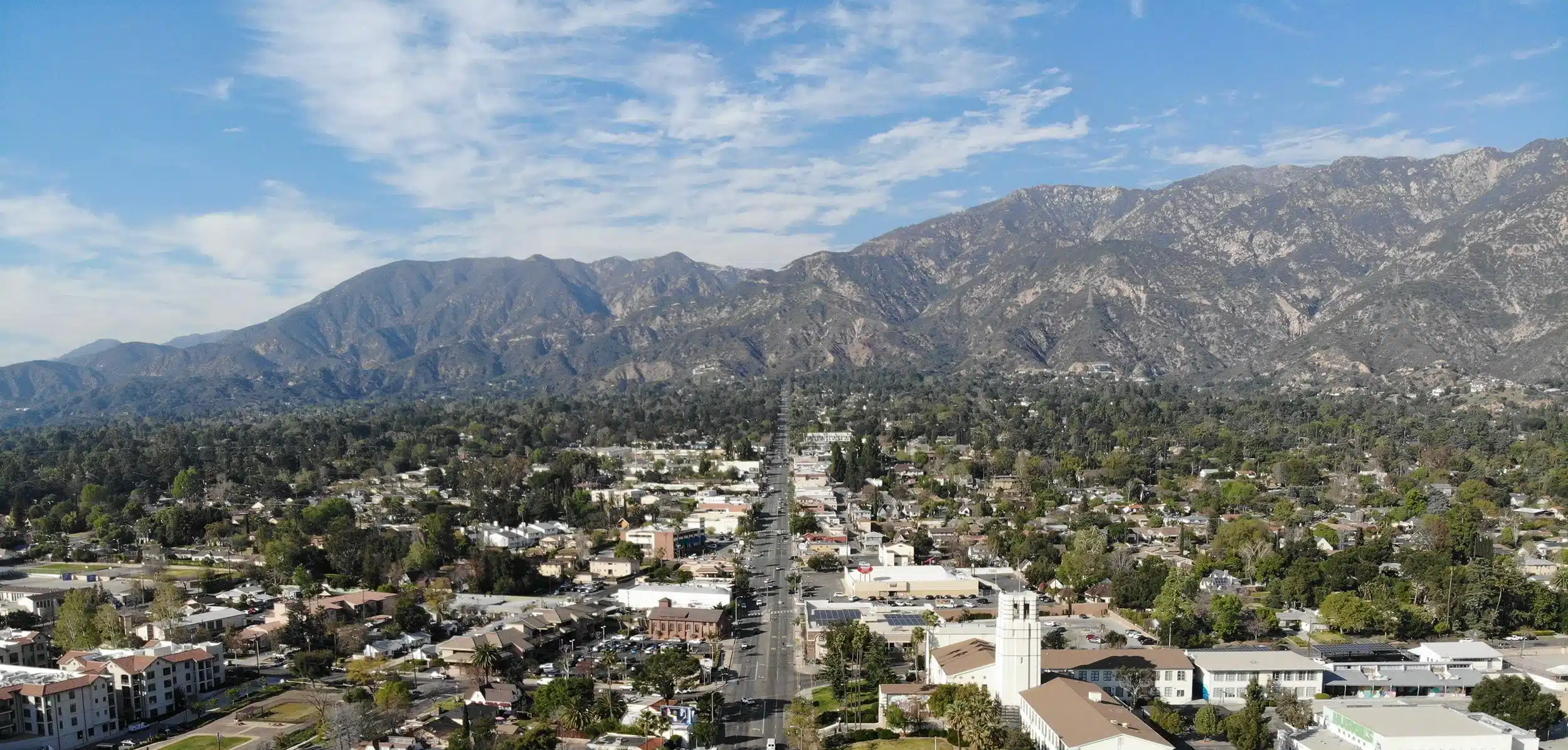
Rebuilding in Altadena with a Design and Build Company
Rebuilding a home in Altadena is rarely just a construction decision. Often, it follows a major disruption, such as fire damage, structural failure, or a decision to demolish an aging home that no longer serves your family. However, rebuilding does not have to feel chaotic or overwhelming. When homeowners choose the right process and the right team, rebuilding becomes a structured path forward rather than a series of unknowns.
Because Altadena is unincorporated, rebuilding here involves Los Angeles County Building and Safety, not a city department. As a result, permits, inspections, and plan review carry specific County requirements that many homeowners do not expect. This is exactly where a design and build company adds value. By placing design, permits, and construction under one roof, homeowners gain clarity, accountability, and control at a time when they need it most.
Why Rebuilding in Altadena Requires a Different Approach
Rebuilding is not the same as remodeling. Instead of working around existing conditions, rebuilding resets everything from the foundation up. Therefore, every decision impacts zoning compliance, engineering, energy codes, and long-term performance. In Altadena, those decisions must also align with County review standards, hillside considerations, and fire safety requirements.
Meanwhile, many Altadena lots come with hidden challenges. Older utilities, undocumented drainage paths, tree roots, and access constraints often appear once demolition begins. Because of this, rebuilding requires foresight rather than reaction. A design and build company evaluates these factors early, before they turn into delays or change orders.
What a Design and Build Company Actually Does
One Team From Concept Through Completion
A design and build company manages the entire rebuilding process under one contract. Instead of hiring an architect, then finding a builder, then coordinating engineers separately, homeowners work with a single team that owns the outcome. Therefore, decisions stay aligned from the first feasibility discussion through final inspection.
This structure matters most during rebuilding. Insurance scopes, demolition conditions, and permit requirements often shift early assumptions. With design and build, the same team adapts design, budget, and construction strategy together, rather than pushing problems downstream.
Why This Matters More When Rebuilding
Rebuilding projects often begin with incomplete information. Structural damage, soil conditions, and utility connections sometimes become clear only after demolition. As a result, flexibility and coordination matter more than rigid planning. Design and build allows adjustments without restarting the entire process.
First Steps When Rebuilding in Altadena
Before design begins, homeowners should step back and confirm feasibility. Too often, rebuilding starts with drawings before understanding zoning limits, hillside rules, or County requirements. As a result, plans require revision once permits enter review.
Instead, the first step should focus on understanding the property as it exists today, not as it existed before damage or demolition.
Early rebuilding steps should include:
- Confirming zoning setbacks, height limits, and lot coverage
- Evaluating slope, grading, and drainage conditions
- Identifying fire severity zone requirements
- Verifying utility locations and service capacity
- Reviewing access for demolition and construction
Because these factors shape everything that follows, early clarity prevents wasted time and money.
Permits and Plan Check During a Rebuild
All rebuilding in Altadena requires permits through LA County. Consequently, the permit process involves architectural review, structural engineering, energy compliance, and site evaluation. County reviewers look closely at how the new home meets current codes, not how the old structure functioned.
A complete permit package typically includes architectural plans, structural calculations, and Title 24 energy compliance documents. In addition, hillside or disturbed lots may require grading plans and soils reports. When these documents align, plan check moves forward efficiently. When they do not, correction cycles add weeks or months.
Common permit documents include:
- Architectural plans for the new structure
- Structural calculations reflecting current code
- Title 24 energy compliance forms
- Site and utility plans
- Grading and drainage plans, if required
Hillside, Fire, and Site Conditions During Rebuilding
Many Altadena properties sit near foothills or within higher fire severity zones. As a result, rebuilding often triggers additional requirements that did not exist when the original home was built. These rules are not optional, and County reviewers enforce them closely.
Hillside rebuilding often involves grading, drainage engineering, and retaining wall design. Fire-zone rebuilding may require defensible space planning and fire-resistant materials. Meanwhile, older lots frequently reveal utility or drainage issues once demolition begins. Addressing these conditions early keeps the rebuild on track.
Altadena rebuilding constraints often include:
- Grading and slope stability requirements
- Fire-resistant exterior assemblies
- Defensible space compliance
- Limited access or staging areas
- Unknown or outdated utilities
How Design and Build Controls Budget and Timeline
Rebuilding introduces uncertainty, but design and build reduces its impact. Because one team controls design, permits, and construction, budget and schedule adjustments happen in real time. Therefore, homeowners avoid the stop-and-restart cycle common with fragmented teams.
In addition, design and build emphasizes documentation. Clear scopes, defined allowances, and early selections reduce surprises during construction. Weekly communication and progress updates keep homeowners informed, even when conditions change.
What to Expect During Construction and Inspections
Once permits are approved, construction proceeds in defined stages. However, inspections occur throughout the rebuild, not just at the end. LA County inspectors review work at foundation, framing, mechanical, energy, and final stages.
Because inspectors compare work directly to approved plans, consistency matters. Design and build teams maintain alignment between drawings and field work, which allows inspections to proceed smoothly.
Typical inspection stages include:
- Foundation and footing
- Framing
- Mechanical, electrical, and plumbing rough-ins
- Insulation and energy compliance
- Final inspection and occupancy
Why Homeowners Choose Design and Build for Rebuilding
Rebuilding already carries emotional and financial weight. Therefore, homeowners benefit from a process that reduces friction instead of adding it. Design and build offers one point of accountability, one communication channel, and one team responsible for results.
Rather than managing multiple contracts and conflicting advice, homeowners gain a clear roadmap forward. As a result, rebuilding becomes a controlled process rather than a constant negotiation.
Final Thoughts on Rebuilding in Altadena
Rebuilding in Altadena requires more than construction skill. It requires an understanding of County permits, hillside conditions, fire requirements, and site realities. When homeowners choose a design and build company, they choose clarity, coordination, and accountability.
Rebuilding is a chance to move forward with intention. With the right team and the right process, it becomes a structured rebuild rather than a stressful unknown.
Frequently Asked Questions
Why should I go with a design & build company over a General Contractor?
A design & build company gives you one team responsible for design, permits, and construction, instead of splitting responsibility between an architect and a general contractor. This matters most during new construction, where early decisions directly affect cost, timelines, and approvals.
With a traditional setup, architects design first, contractors price later, and homeowners absorb the risk when the numbers or feasibility do not align. In contrast, design-build evaluates budget, constructability, and permitting requirements at the same time as design. That alignment reduces redesigns, plan-check delays, and change orders.
In short:
- One contract instead of multiple agreements
- One schedule owner instead of competing timelines
- One budget authority instead of finger-pointing
What are the first steps I need to get started?
The first step is not drawing plans. The first step is feasibility. You need to understand what your lot can realistically support before spending money on design.
Early steps should include:
- Site review (lot size, slope, access, utilities)
- Zoning and setback confirmation
- Hillside, grading, or fire-zone constraints
- Rough scope and size planning
A design-build feasibility call helps you answer the most important question early: Is this project viable within my goals and budget?
I’ve already received an insurance settlement for rebuilding. What should I do next?
If you plan to use insurance proceeds toward rebuilding, the most important step is to separate insurance paperwork from construction planning. Insurance settlements are often based on repair scopes, not full code-compliant new construction.
Recommended next steps:
- Review the settlement scope and exclusions
- Determine whether the project is a repair, rebuild, or full new construction
- Confirm current code and permit requirements with LA County
- Develop a construction scope that aligns with today’s regulations
A design-build team can help translate insurance funds into a realistic rebuild plan, identify gaps, and avoid under-scoping the project.
How long does the entire process take, and what happens at each stage?
Timelines vary by lot conditions and complexity, but most ground-up projects follow the same major phases.
- Feasibility & Pre-Design: Site review, zoning confirmation, early budget alignment
- Design & Engineering: Architectural plans, structural calculations, energy compliance
- Permitting & Plan Check: LA County review, comments, revisions, approvals
- Construction: Site work, foundation, framing, systems, finishes
- Final Inspections & Close-Out: Punch list, approvals, occupancy
Design-build shortens timelines by reducing redesign and plan-check back-and-forth. The biggest delays usually come from incomplete documents or unrealistic early assumptions.
What is the permit process, and what needs to happen first?
Altadena is unincorporated, so all permits go through Los Angeles County Building and Safety. Before submitting plans, you must confirm feasibility and site constraints.
A typical permit submittal includes:
- Architectural plans
- Structural calculations
- Title 24 energy compliance
- Site and utility plans
- Grading plans (if applicable)
- Soils report (often required for hillside lots)
Once submitted, the County issues plan-check comments. Those comments must be addressed before approval. A coordinated design-build team responds faster because all consultants work together.
How can I speed up or expedite the construction process?
You cannot rush inspections or skip requirements, but you can eliminate most avoidable delays.
The biggest ways homeowners speed up projects:
- Start with feasibility before design
- Submit complete, coordinated permit sets
- Make selections early (fixtures, finishes, systems)
- Work with a team experienced in LA County plan check
- Maintain clear communication and decision timelines
Our Service Areas
We are serving Los Angeles metro area. Our service area includes, but is not limited to the following locations: Agoura Hills, Altadena, Arcadia, Atwater Village, Bel Air, Beverly Hills, Beverlywood, Brentwood, Burbank, Calabasas, Camarillo, Canoga Park, Century City, Country Club Park, Culver City, Eagle Rock, Echo Park, Encino, Glassell park, Glendale, Hancock Park, Highland Park, Hollywood, Hollywood Hills, La Brea, La Canada Flintridge, La Crescenta-Montrose, Los Feliz, Manhattan Beach, Mar Vista, Marina del Rey, Melrose, MidCity, Miracle Mile, Moorpark, Newbury Park, Oak Park, Pacific Palisades, Palos Verdes, Pasadena, Playa del Rey, Cheviot Hills, Santa Monica, Sherman Oaks, Silver Lake, Stevenson Ranch, Studio City, Tarzana, Thousand Oaks, Toluca Lake, Topanga, Valley Village, Van Nuys, Venice, West Hills, West Hollywood, Westchester, Westlake Village, Windsor Hills, Woodland Hills


