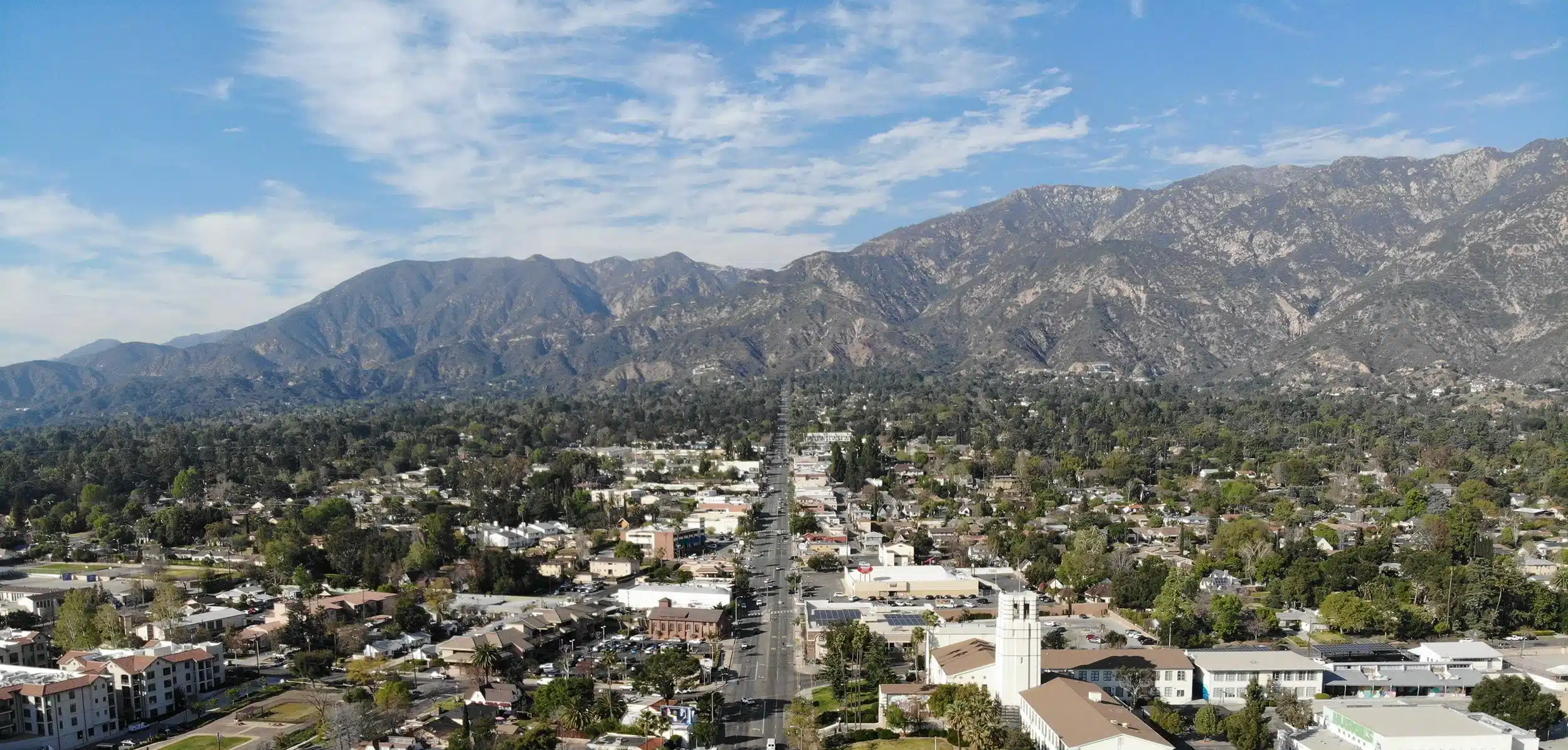

Altadena New Construction Design Build
Planning a ground-up home in Altadena is exciting, but it is also where many homeowners feel overwhelmed. Permit uncertainty, hillside engineering, fire requirements, and cost overruns often appear after plans are already underway. Too often, homeowners hire an architect first, then scramble to find a builder who can actually construct what was designed. This disconnect creates delays, redesigns, and budget surprises that could have been avoided. That is why Altadena new construction design build has become the preferred approach for homeowners who want clarity, control, and accountability from day one.
Altadena is unincorporated Los Angeles County, which means permitting runs through LA County Building and Safety, not a city department. That distinction matters. County plan check expectations, turnaround times, and hillside requirements differ significantly from nearby incorporated cities. A design-build team that understands LA County processes can prevent months of back-and-forth before construction even begins. With one team handling design, permits, and construction, homeowners gain a single point of responsibility for scope, schedule, and budget. This approach reduces risk while creating a smoother, more predictable path to completion.
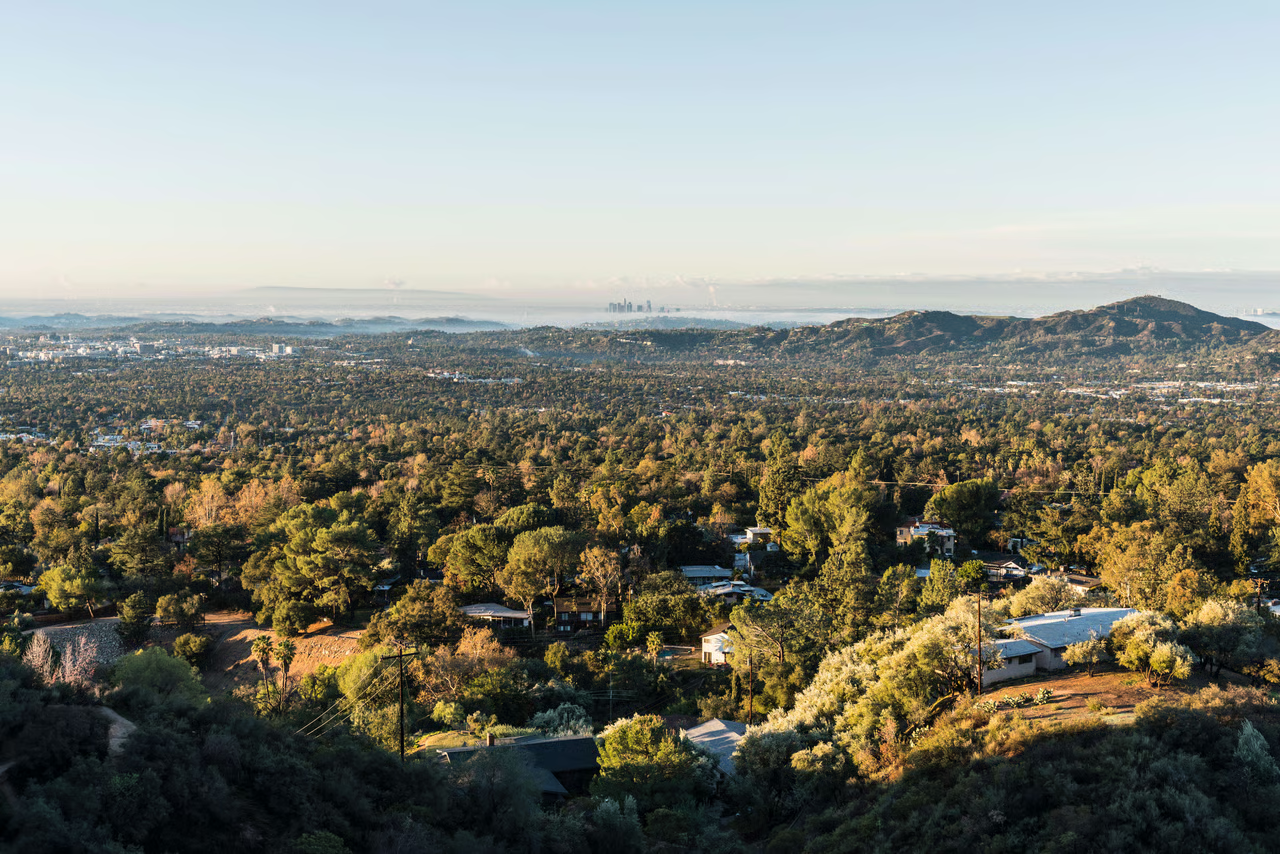
Why Design-Build Matters for Altadena New Construction
Altadena new construction design build works because it eliminates fragmentation. When design and construction are separated, responsibility becomes blurred. Architects design in isolation, contractors price later, and homeowners absorb the risk when the numbers do not align. In contrast, a design-build structure assigns one team to manage feasibility, design decisions, engineering coordination, and construction execution. Every design choice is evaluated against real-world build conditions, hillside constraints, and LA County requirements before plans are submitted.
This matters even more in Altadena, where lot conditions vary dramatically. Some properties are flat and straightforward, while others sit on slopes, near foothills, or within higher fire severity zones. Design-build teams account for grading, drainage, access, and fire requirements early. This proactive coordination reduces plan check comments, redesign cycles, and surprise engineering costs. Homeowners benefit from one contract, one schedule, and one budget owner, rather than managing multiple consultants who may not align.
Altadena Is Unincorporated LA County: Why Permits Feel Confusing
Many homeowners are surprised to learn that Altadena is not governed by a city building department. Instead, all permits go through LA County Building and Safety. This distinction affects review timelines, required documentation, and inspection sequencing. County plan check typically involves multiple departments reviewing the same submittal, which increases the likelihood of redlines if documents are incomplete or uncoordinated. Understanding this process is critical before submitting plans.
A complete permit submittal bundle for Altadena new construction design build usually includes architectural plans, structural calculations, energy compliance documents under Title 24, and site plans. Depending on the lot, grading plans and soils reports may also be required. Hillside properties often trigger additional reviews related to slope stability, drainage control, and retaining structures. When these elements are addressed early by a coordinated team, plan check moves faster and with fewer corrections.
What You Need Before You Submit Plans in Altadena
Homeowners often rush into design without confirming site constraints, which leads to delays later. Before submitting plans for a ground-up build in Altadena, you need clarity on zoning setbacks, height limits, lot coverage, and access conditions. Utility locations should be verified early, especially on older lots where records may be incomplete. Tree roots, drainage paths, and easements can all affect where and how a home can be built.
A design-build team starts with feasibility, not drawings. That means reviewing the lot, confirming County requirements, and identifying risks before design dollars are spent. This upfront work helps avoid redesigns after plan check comments are issued. It also allows homeowners to make informed decisions about scope and layout before engineering costs escalate. Preparation is what separates smooth approvals from months of frustration.
Common Reasons LA County Plan Check Rejects New Construction Plans
LA County plan check rejections usually stem from coordination gaps, not intent. Structural calculations that do not match architectural drawings are a common issue. Missing energy compliance forms under Title 24 can stall review entirely. Grading plans that fail to address drainage paths or cut-and-fill quantities often trigger additional engineering requirements. On hillside lots, retaining walls and slope stabilization details must be clearly documented.
Design-build reduces these issues by aligning all consultants under one scope. Structural engineers, energy consultants, and designers work from the same assumptions. When plan check comments arrive, one team responds, rather than passing responsibility between parties. This reduces resubmittal cycles and shortens overall approval timelines. Fewer redlines mean fewer delays and lower soft costs for homeowners.
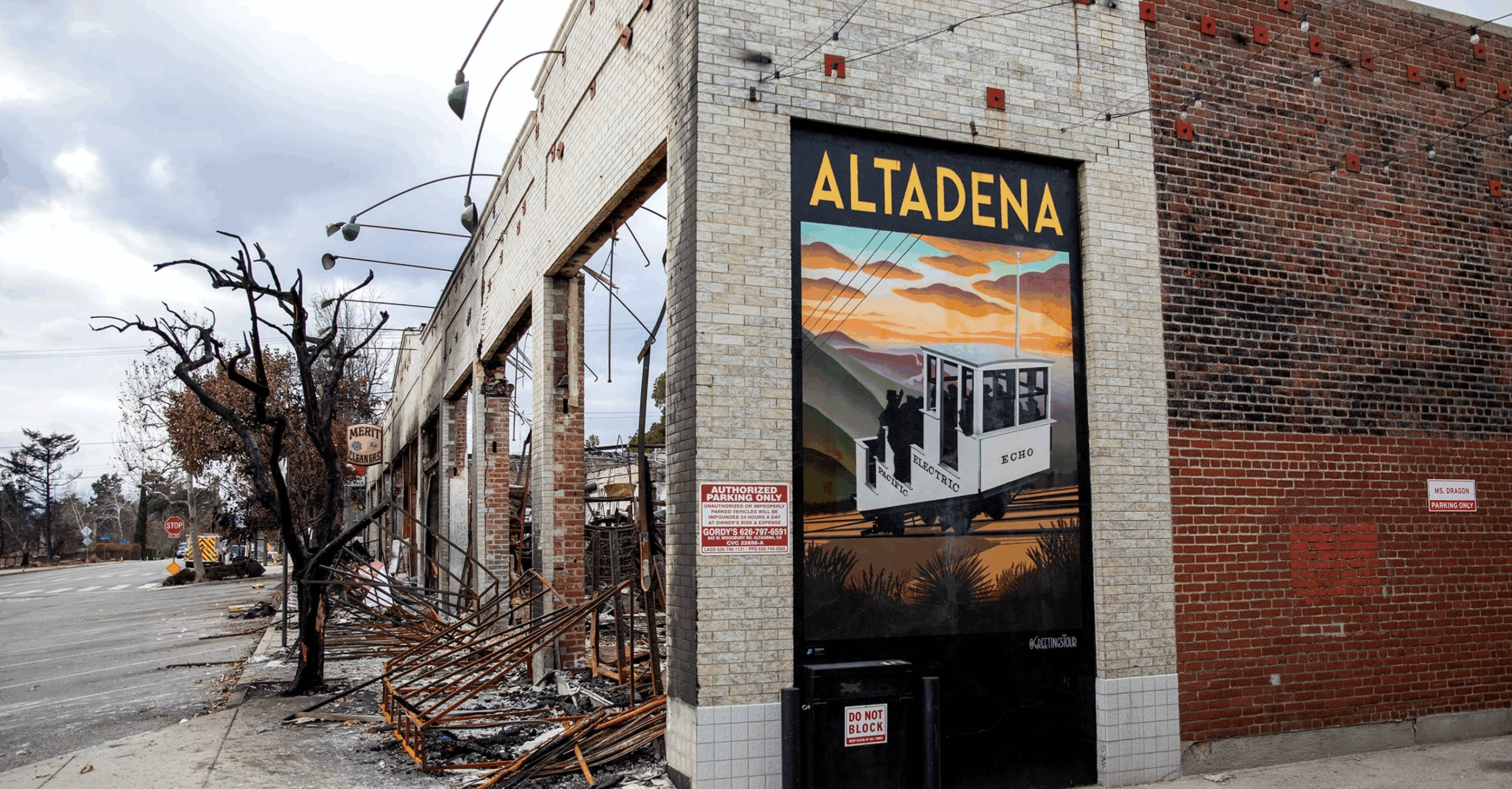
Hillside and Foothill Constraints in Altadena
Hillside and foothill lots in Altadena require specialized planning. Grading strategies must balance cut-and-fill while protecting slope stability. Drainage must be engineered to move water safely without impacting neighboring properties. Retaining walls often require additional engineering and inspections. These factors directly influence both timeline and budget, which is why they must be addressed before finalizing design.
Fire risk is another critical consideration. Many Altadena lots fall within higher fire severity zones, which triggers defensible space requirements and fire-resistant construction standards. Material selections, roof assemblies, and exterior detailing must comply with County fire guidelines. A design-build team incorporates these requirements early, preventing last-minute changes that can delay permits or inspections.
Access, Staging, and Utilities: Real-World Build Challenges
Altadena construction sites often face access constraints. Narrow driveways, limited street parking, and tight staging areas can affect construction sequencing. Utility tie-ins may require coordination with County agencies or utility providers, especially on older lots where infrastructure locations are unclear. These realities influence how a project is scheduled and priced.
Design-build teams plan construction logistics during design, not after permits are issued. That means accounting for material deliveries, equipment access, and inspection sequencing upfront. When these factors are ignored early, they surface as delays and change orders later. Proper planning protects homeowners from unnecessary disruptions and cost overruns.

How Long Permits Take for a New Build in Altadena
Permit timelines for Altadena new construction vary based on complexity, completeness, and site conditions. Flat lots with complete submittals move faster than hillside projects requiring grading and soils review. Initial plan check can take several months, followed by correction cycles if revisions are needed. Inspections during construction are scheduled through LA County and must align with approved plans.
Design-build shortens timelines by reducing rework. When documents are coordinated and realistic, plan check comments are fewer and easier to resolve. During construction, inspections pass more smoothly because work aligns with approved drawings. Predictability is what homeowners value most, and it comes from preparation, not shortcuts.
Design-Build vs Architect + Separate GC in Altadena
Hiring an architect first may feel logical, but it often shifts risk to the homeowner. Designs may exceed budget or ignore site constraints, forcing redesign later. Contractors brought in after design must price what already exists, leaving little flexibility. This structure creates tension, delays, and cost overruns.
Altadena new construction design build offers a different promise. One team controls design decisions, permit strategy, and construction execution. Budgets are tied to real build costs, not assumptions. Schedules are created with County inspections in mind. Homeowners gain clarity, accountability, and fewer surprises.
Quality Control, Communication, and Process Discipline
Trust is built through process. Design-build teams emphasize documentation, clear scopes, and defined allowances. Selections timelines are established early, preventing delays caused by late decisions. Inspections are anticipated, not reacted to. Pre-drywall walkthroughs catch issues before walls close.
Communication cadence matters just as much. Weekly updates, photo logs, and clear next steps keep homeowners informed. Problems are addressed early, not hidden. This level of transparency reduces stress and builds confidence throughout the build.
Frequently Asked Questions
Why should I go with a design & build company over a General Contractor?
A design & build company gives you one team responsible for design, permits, and construction, instead of splitting responsibility between an architect and a general contractor. This matters most during new construction, where early decisions directly affect cost, timelines, and approvals.
With a traditional setup, architects design first, contractors price later, and homeowners absorb the risk when the numbers or feasibility do not align. In contrast, design-build evaluates budget, constructability, and permitting requirements at the same time as design. That alignment reduces redesigns, plan-check delays, and change orders.
In short:
- One contract instead of multiple agreements
- One schedule owner instead of competing timelines
- One budget authority instead of finger-pointing
What are the first steps I need to get started?
The first step is not drawing plans. The first step is feasibility. You need to understand what your lot can realistically support before spending money on design.
Early steps should include:
- Site review (lot size, slope, access, utilities)
- Zoning and setback confirmation
- Hillside, grading, or fire-zone constraints
- Rough scope and size planning
A design-build feasibility call helps you answer the most important question early: Is this project viable within my goals and budget?
I’ve already received an insurance settlement for rebuilding. What should I do next?
If you plan to use insurance proceeds toward rebuilding, the most important step is to separate insurance paperwork from construction planning. Insurance settlements are often based on repair scopes, not full code-compliant new construction.
Recommended next steps:
- Review the settlement scope and exclusions
- Determine whether the project is a repair, rebuild, or full new construction
- Confirm current code and permit requirements with LA County
- Develop a construction scope that aligns with today’s regulations
A design-build team can help translate insurance funds into a realistic rebuild plan, identify gaps, and avoid under-scoping the project.
How long does the entire process take, and what happens at each stage?
Timelines vary by lot conditions and complexity, but most ground-up projects follow the same major phases.
- Feasibility & Pre-Design: Site review, zoning confirmation, early budget alignment
- Design & Engineering: Architectural plans, structural calculations, energy compliance
- Permitting & Plan Check: LA County review, comments, revisions, approvals
- Construction: Site work, foundation, framing, systems, finishes
- Final Inspections & Close-Out: Punch list, approvals, occupancy
Design-build shortens timelines by reducing redesign and plan-check back-and-forth. The biggest delays usually come from incomplete documents or unrealistic early assumptions.
What is the permit process, and what needs to happen first?
Altadena is unincorporated, so all permits go through Los Angeles County Building and Safety. Before submitting plans, you must confirm feasibility and site constraints.
A typical permit submittal includes:
- Architectural plans
- Structural calculations
- Title 24 energy compliance
- Site and utility plans
- Grading plans (if applicable)
- Soils report (often required for hillside lots)
Once submitted, the County issues plan-check comments. Those comments must be addressed before approval. A coordinated design-build team responds faster because all consultants work together.
How can I speed up or expedite the construction process?
You cannot rush inspections or skip requirements, but you can eliminate most avoidable delays.
The biggest ways homeowners speed up projects:
- Start with feasibility before design
- Submit complete, coordinated permit sets
- Make selections early (fixtures, finishes, systems)
- Work with a team experienced in LA County plan check
- Maintain clear communication and decision timelines
Design-build expedites construction by controlling decisions upfront, not by cutting corners later. Fewer revisions, fewer surprises, and fewer pauses mean a smoother build.
Our Service Areas
We are serving Los Angeles metro area. Our service area includes, but is not limited to the following locations: Agoura Hills, Altadena, Arcadia, Atwater Village, Bel Air, Beverly Hills, Beverlywood, Brentwood, Burbank, Calabasas, Camarillo, Canoga Park, Century City, Country Club Park, Culver City, Eagle Rock, Echo Park, Encino, Glassell park, Glendale, Hancock Park, Highland Park, Hollywood, Hollywood Hills, La Brea, La Canada Flintridge, La Crescenta-Montrose, Los Feliz, Manhattan Beach, Mar Vista, Marina del Rey, Melrose, MidCity, Miracle Mile, Moorpark, Newbury Park, Oak Park, Pacific Palisades, Palos Verdes, Pasadena, Playa del Rey, Cheviot Hills, Santa Monica, Sherman Oaks, Silver Lake, Stevenson Ranch, Studio City, Tarzana, Thousand Oaks, Toluca Lake, Topanga, Valley Village, Van Nuys, Venice, West Hills, West Hollywood, Westchester, Westlake Village, Windsor Hills, Woodland Hills